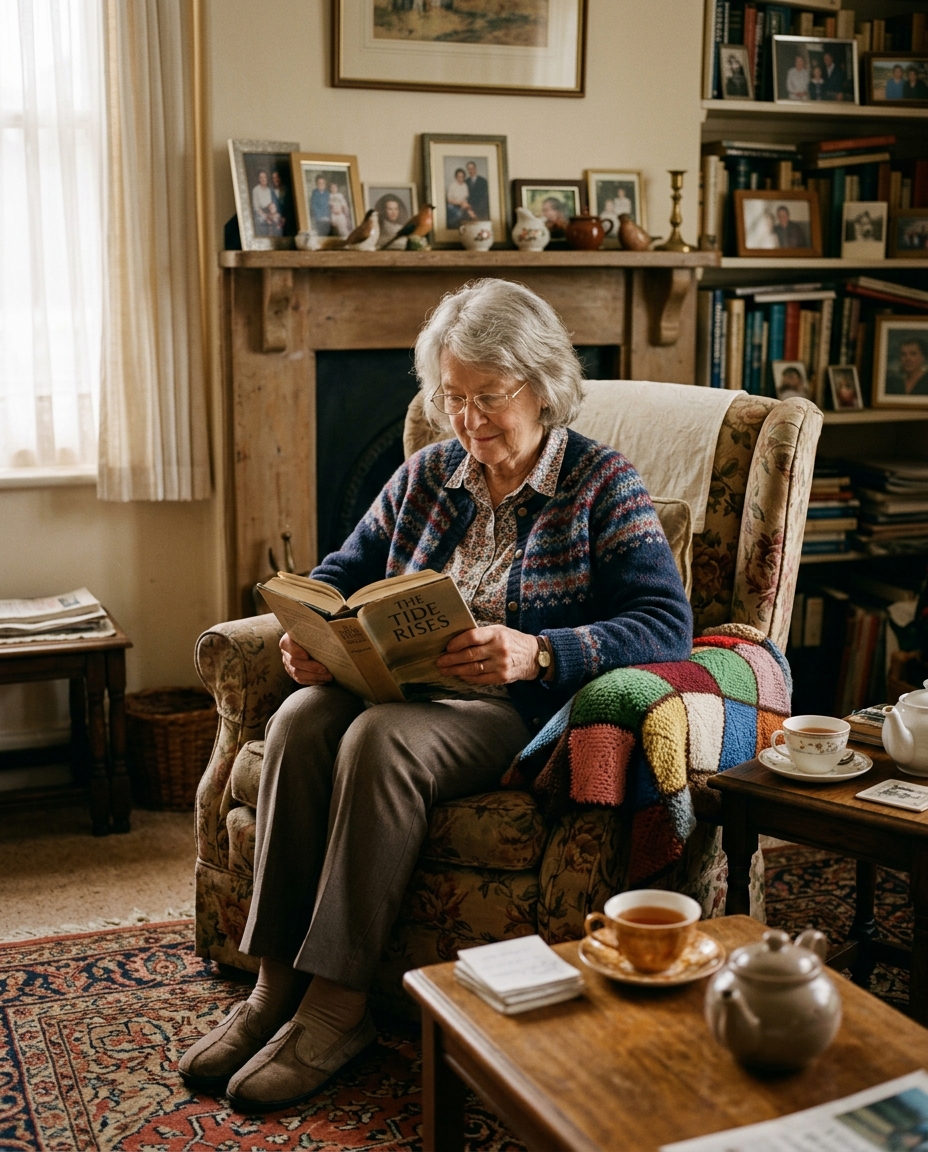
Your mother does not want to move. You have shown her the brochures. You have walked her through the assisted living facility. You have explained why it is the safe choice. She still says no. And she means it. Now what?
Every adult child of an aging parent has had this conversation. Sometimes it is gentle. Sometimes it is a year of escalating arguments. Sometimes it is one terrible Sunday dinner where someone storms out. But the shape is always the same.
You are worried. You see things she does not see, or will not admit. The mail piling up. The pots she forgot on the stove. The fall last March that she insists was nothing. You have done your research. You have a plan. The plan is that she moves to a place where someone is watching.
And she says no.
What "no" actually means.
When an 82-year-old woman who has lived in her house for 47 years says she is not moving, she is not being stubborn. She is being honest. She is telling you something true about herself that you do not want to hear.
She is telling you that this house is not real estate. It is the place where she raised her children, where she made every Thanksgiving, where she still keeps her late husband’s reading glasses in the drawer because she likes knowing they are there. She is telling you that the church she has gone to for thirty years is two blocks away. That her friend Doris brings her tomatoes every August. That the cardinal pair that nests in the dogwood comes back every spring. That she knows which floorboard creaks.
She is telling you that moving her out of this house is not relocating her. It is dismantling her.
And she is right.
The third option.
The mistake most families make is treating this as a two-option problem. Option one: she stays where she is and you worry every day. Option two: she moves and she is safer. You spend months trying to talk her into option two and she spends months refusing.
There is a third option, and it is the one most families do not consider because the senior care industry is not built to offer it. The third option is: she stays where she is, and the home gets smarter about telling you when something is actually wrong.
Not surveillance. Not cameras. Not a wearable she will refuse to wear. Not a button she will forget to press. Just a quiet system in the background that learns the rhythm of her life and lets you know when that rhythm changes.
She gets to stay home. You get to stop wondering. Nobody has to win the argument.
What changes when the home is watching.
When the home is watching, the conversation between you and your mother changes shape. You stop calling at 4 AM because you have a bad feeling. You stop driving down on Sundays just to look in the cupboards. You stop having the argument about assisted living because the argument was never really about assisted living. It was about your fear.
The home takes the fear off your plate. It tells you when she has been moving around. It tells you when she has not. It learns the difference between a slow Saturday and a Saturday where something is wrong, and it tells you when the second one is happening.
You still call. You still visit. You still worry, because that is what love is. But you worry about the right things now. You worry about whether she is lonely, whether she has had lunch, whether Doris brought the tomatoes. You stop worrying about whether she is breathing.
“She did not say no to safety. She said no to leaving her life. Those are different things.”
The conversation to have instead.
If your mother has said no, stop trying to talk her into yes. The conversation she will say yes to is different. It starts with this:
“I hear you. You are not moving. I want to find a way for you to stay here that lets us both stop worrying. Will you help me try something?”
That conversation is not about her. It is about you. You are the one asking for relief. She is the one being asked to help you find it. That reframing matters. It turns her from the patient you are managing into the partner she has always been.
Most parents say yes to that conversation. They say yes because their children are not asking them to give anything up. They are asking for a way to love them at a distance that finally works for both sides.
She said no, and she meant it. The good news is, she never had to say yes to assisted living. She just had to say yes to being known.